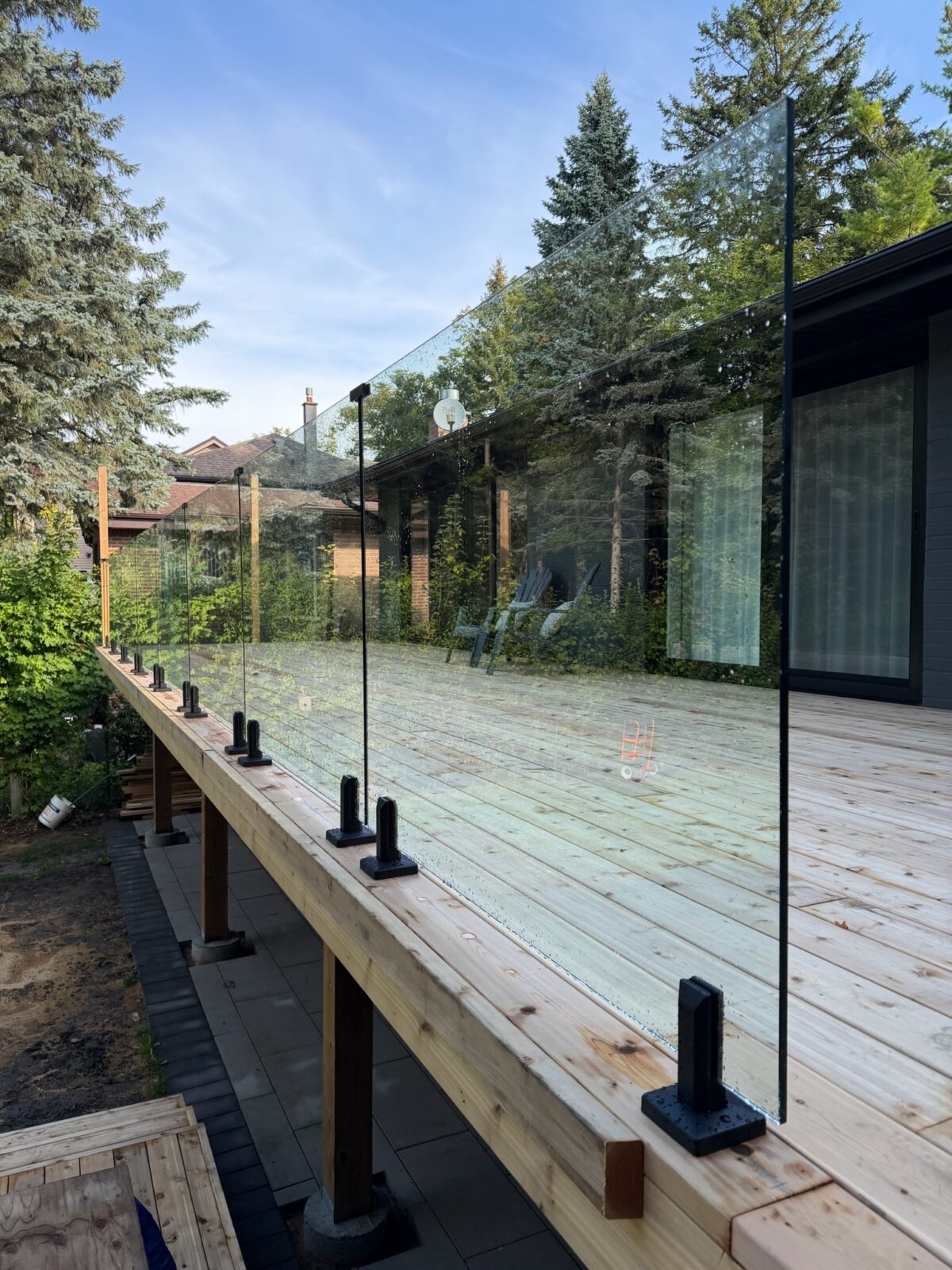

Glass fencing and handrails have become a popular choice for homeowners today. It provides a very high-end, modern look that is also surprisingly durable. As an emerging fencing material, it continues to gain momentum, thanks to the benefits it offers over traditional fencing materials. Here we look at glass fences and the best materials to choose for fences nowadays.
Where are Glass Fences Used?
Glass fencing has become a popular choice for the following applications:
- Backyards with spectacular views and where privacy isn’t an issue
- Balconies overlooking expansive vistas or where you want an ultra-modern look
- Patios and decks for contemporary homes to provide a more open outdoor living space or to take advantage of surrounding views
- Pool areas to allow parents to keep an eye on kids or to offer a modern, urban look
There really are endless applications for glass fences when privacy isn’t an issue.
Choosing the Best Glass for Fencing
There are basically three types of materials used for glass fencing:
Plexiglass
While not actual glass, plexiglass is a clear thermoplastic material used as a cost-effective alternative to costly glass. It is almost thirty times stronger than conventional glass making it shatterproof. It is easier to handle during the installation process because it is lightweight and also highly durable although it is prone to scratches. It is UV resistant and safe for outdoor use, but it doesn’t fair well in hot temperatures. Therefore, direct sunlight or proximity to an outdoor fireplace is not recommended.
Laminated Glass
This type of glass has layers of glass panes fused together with resin to make it practically shatterproof. It is the strongest glass available, making it a popular choice for secure windows. It is highly durable, and UV protected but is also higher priced both for production and installation. This makes it harder to find, adding to the cost.
Tempered Glass
Many consider this to be the ultimate glass choice due to its strength and safety. It is four to five times stronger than basic glass, and impact resistant. Although it can shatter, it shatters in small pieces to avoid the danger of injury. It is readily available, so it is also very affordable. The main issue with tempered glass is it can’t be altered, which means drilling it for installation is a no-no.
Framed vs Frameless Fencing
The last consideration for glass fencing is whether you want it framed or frameless installation. Both offer an attractive option. However, there are some differences to consider:
Framed:
- Supported by a steel post system
- Thinner glass panels than frameless systems
- Bulkier look due to the posts
- More affordable than frameless systems
Frameless:
- Frameless glass railing
- Installed with plugs in the ground and standoff glass railing to secure the glass panels
- Can also use a shoe base railing system using a metal base on the floor to secure the glass
- Thicker glass to provide added support due to the lack of frames
- Seamless views
- Toughened glass
- Costs more than a framed system
If price isn’t an issue, most people prefer the frameless look, especially if the views on the property are spectacular. However, if you like the look of stainless steel and views are not a factor, framed glass fences offer a more affordable option with a pleasing high-end look.
Safety and Building Code Basics
A glass fence or guard is more than a design choice. In Ontario, the Building Code calls for a guard where the drop to the surface below is more than 600 mm, and glass used in guards must be safety glass, such as tempered or laminated glass. Permit rules differ by city. Vaughan and Richmond Hill, for example, both require a permit for a deck attached to a house. Our guide to glass railing code requirements in Ontario explains what to check before you buy.
Built for Ontario Weather
Freeze-thaw cycles, road salt and heavy snow are hard on outdoor hardware. For exterior posts and fittings, choose corrosion-resistant materials such as 316-grade stainless steel. A protective glass coating also helps, because it makes glass easier to clean and helps resist staining. You can read more in our post on the benefits of a protective glass coating.
Keeping a Glass Fence Clean
Glass is easy to look after. Rinse off dirt and salt residue regularly, then wipe with a soft cloth and a non-abrasive glass cleaner. Avoid scrapers and harsh abrasives, which can scratch the surface.
Adding Privacy Where You Need It
If neighbours are close, you do not have to give up the light and openness of glass. Frosted or patterned panels can add privacy to part of a fence or balcony while the rest stays clear. Explore our decorative glass options for ideas.
Questions to Ask Before You Order
- Is the glass tempered or laminated, and how thick is it?
- Is the fence framed or frameless, and which suits my property?
- What hardware material is used outdoors?
- Do I need a permit or engineered drawings in my city?
- Who installs it, and what warranty applies?
If you are interested in glass fencing, book a free consultation session online or on-site to get a free quote. You can also subscribe to our newsletter.
Planning a project?
Glasswise designs, makes and installs custom glass railings and fences across the GTA, including Toronto, Vaughan, Markham and Mississauga. Get a free quote and we will go over your options.